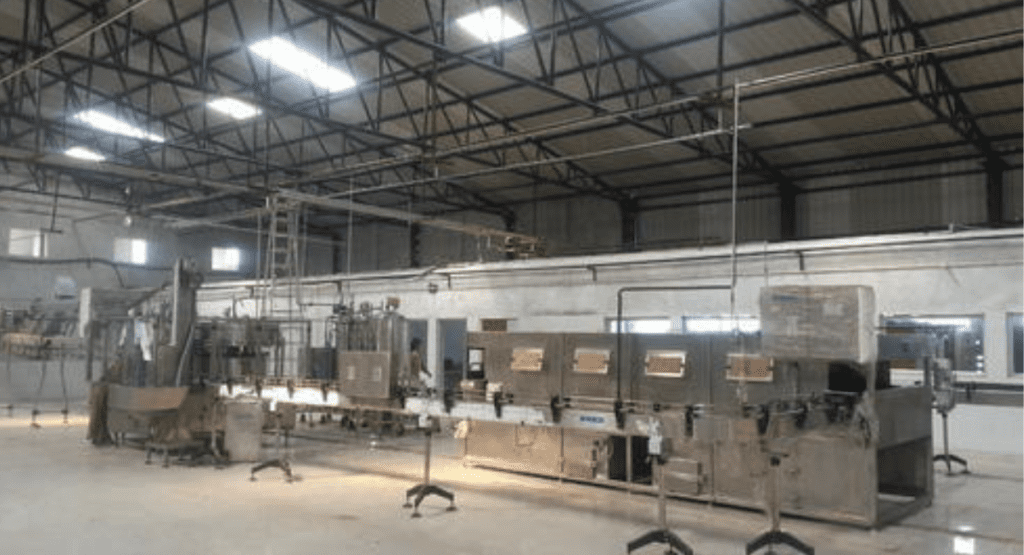
Beer Plant

Beer Manufacturing Plant: Modern Solutions for Large-Scale Brewing


Beer Manufacturing Plant: Modern Solutions for Large-Scale Brewing


Beer has been brewed for thousands of years, but today’s production looks very different from ancient methods. While the tradition of brewing remains, modern facilities are designed for efficiency, safety, and large-scale output. At the centre of this progress is the Beer Manufacturing Plant, a place where science and tradition come together to produce high-quality beer for mass consumption.

This article explains how these plants work, the equipment they use, their advantages, and the latest trends shaping the beer industry.


Understanding a Beer Manufacturing Plant

A beer manufacturing plant is a specialised facility built to handle the full brewing process, from raw ingredients to finished bottles or cans. Unlike small breweries focused on limited batches, these plants are designed for high-volume production, ensuring consistency and meeting growing market demand.

By combining modern technology with age-old brewing techniques, such facilities deliver beer that is both traditional in taste and reliable in quality.


Main Stages of Beer Production

Beer production is a multi-step process, and a plant must manage each stage precisely to achieve the desired flavour and consistency:

  1. Malting – Barley is soaked, allowed to sprout, and dried to develop enzymes.
  2. Mashing – Crushed malt is mixed with hot water to release fermentable sugars.
  3. Boiling with hops – The sweet liquid (wort) is boiled, and hops are added for flavour, aroma, and preservation.
  4. Fermentation – Yeast transforms sugars into alcohol and carbon dioxide.
  5. Maturation – The beer is aged to refine taste and texture.
  6. Filtration and Packaging – The beer is clarified, then bottled, canned, or kegged for distribution.

Every Beer Manufacturing Plant is structured to maintain hygiene, minimise waste, and keep production running smoothly across these stages.


Core Equipment in Beer Manufacturing

A successful plant requires advanced machinery to carry out each brewing step effectively. Some of the essential equipment includes:

  • Mash tuns and brewing kettles – For preparing and boiling the wort.
  • Fermentation tanks – To allow yeast to do its work.
  • Cooling systems – To keep temperatures at optimal levels.
  • Filtration systems – To achieve clarity and purity.
  • Automated packaging lines – For filling bottles, cans, or kegs quickly.

Modern plants often use computerised control systems to oversee the process, helping maintain consistent quality and reducing manual errors.


Advantages of a Beer Manufacturing Plant

Investing in a plant offers breweries multiple benefits:

  • Uniformity – Ensures each batch tastes exactly the same.
  • High capacity – Able to produce thousands of litres daily.
  • Hygienic production – Meets strict international food and beverage standards.
  • Lower costs – Automation reduces waste and saves on labour.
  • Competitive edge – Enables breweries to scale up and expand into new markets.

For breweries aiming to grow, a Beer Manufacturing Plant is an essential step towards stability and long-term profitability.


Sustainable Brewing Practices

Sustainability is increasingly important in today’s beverage industry. Many beer plants are adopting eco-friendly methods such as:

  • Water conservation systems to reduce usage.
  • Energy-efficient machinery to cut down on electricity costs.
  • Eco-packaging with recyclable materials.
  • Spent grain reuse, turning waste into animal feed or renewable energy.

By focusing on sustainability, breweries not only save costs but also appeal to environmentally conscious consumers.


Choosing the Right Beer Manufacturing Plant

When selecting a facility or equipment, breweries should carefully evaluate:

  1. Production requirements – Small, medium, or large-scale output.
  2. Available budget – Balancing affordability with long-term durability.
  3. Supplier reliability – A trusted manufacturer offers better service and parts.
  4. Room for growth – Choosing a plant that can expand with demand.
  5. Regulatory compliance – Meeting all local and global standards.

The right decision ensures that the plant remains efficient and profitable for years to come.


Maintaining Quality and Efficiency

Even the best equipment requires regular care. Successful beer plants prioritise:

  • Routine cleaning to prevent contamination.
  • Scheduled inspections for wear and tear.
  • Strict quality checks on flavour, carbonation, and alcohol content.
  • Staff training so employees handle equipment correctly.

Consistent maintenance guarantees that the final product is always safe, high-quality, and enjoyable.


Current Trends in Beer Manufacturing

The beer industry is evolving rapidly, and modern plants are embracing innovation to stay ahead:

  • Smart brewing systems – Sensors and software improve precision.
  • Craft-style recipes at scale – Combining mass production with unique flavours.
  • Eco-friendly initiatives – Reducing the carbon footprint of large breweries.
  • Flexible packaging systems – Supporting bottles, cans, and kegs.

These developments show how brewing is becoming more advanced while still preserving its cultural roots.


Conclusion

A Beer Manufacturing Plant is more than a factory – it is the backbone of large-scale brewing. From malting and fermentation to packaging and distribution, these facilities ensure that beer is produced efficiently, safely, and with consistent quality.

For breweries planning to grow, investing in a plant means greater production capacity, better cost control, and improved competitiveness. By combining modern technology with sustainable practices, today’s beer manufacturing plants are shaping the future of brewing worldwide.


Beer Manufacturing Plant: Modern Solutions for Large-Scale Brewing Read More »
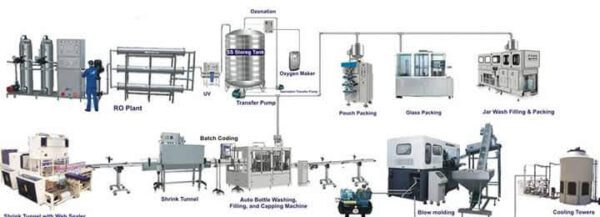
Soft drink Soda And Packaging Plant

Carbonated Drink Filling Machine: A Complete Guide for Beverage Businesses

Soft drink Soda And Packaging Plant

Introduction

In today’s fast-moving beverage industry, efficiency and precision are key. A carbonated drink filling machine plays a crucial role in soft drink and soda production by ensuring every bottle or can is filled with the right amount of liquid, sealed properly, and ready for market. Whether you are producing sparkling water, soda, or energy drinks, having the right soft drink bottling machine is essential for quality control and customer satisfaction.

This guide will walk you through everything you need to know about carbonated drink filling machines, their benefits, and how to choose the right one for your business.


What Is a Carbonated Drink Filling Machine?

A carbonated drink filling machine is specialised equipment designed to fill bottles or cans with fizzy drinks while maintaining carbonation. Unlike still water filling machines, these systems are built to handle pressure, prevent excess foaming, and keep the drinks fresh and bubbly.

In simple terms, the machine helps beverage companies package their products efficiently while ensuring consistency in taste and quality.


How Does a Carbonated Drink Filling Machine Work?

The process is straightforward but highly technical. Here’s how it works in simple steps:

  1. Bottle or can preparation – Containers are cleaned and sterilised.
  2. Filling under pressure – Carbonated liquid is poured into the container while maintaining the right pressure to prevent gas loss.
  3. Capping or sealing – Once filled, the container is sealed with a cap or lid to keep the drink fizzy.
  4. Labelling and packaging – Finished products are labelled and prepared for shipment.

This ensures that every soda, sparkling water, or energy drink reaches the consumer in perfect condition.


Types of Carbonated Drink Filling Machines

Depending on your production needs, there are several types of machines available:

  • Automatic filling machines – Best for large-scale factories. They offer high speed, accuracy, and minimal human intervention.
  • Semi-automatic filling machines – Suitable for medium-scale businesses. They require some manual handling but are more affordable.
  • Manual filling machines – Used by small or start-up companies. These are cost-effective but slower.

Each type has its pros and cons, so the right choice depends on your production scale and budget.


Benefits of Using a Carbonated Drink Filling Machine

  1. Efficiency – Faster filling and sealing saves time and labour costs.
  2. Consistency – Every bottle or can is filled with the exact amount of liquid.
  3. Preservation of carbonation – Ensures drinks remain fizzy and fresh.
  4. Hygiene and safety – Machines are designed to meet food-grade standards.
  5. Scalability – Can handle small to large production volumes.

For any beverage company, investing in a reliable soda filling machine is a smart move to stay competitive.


Industries That Use Carbonated Drink Filling Machines

These machines are used across various sectors, including:

  • Soft drink manufacturers – For cola, lemonade, and fruit sodas.
  • Sparkling water companies – To maintain freshness and fizz.
  • Energy drink producers – Where accuracy and consistency are critical.
  • Breweries – For carbonated alcoholic beverages like beer.

No matter the drink, efficient beverage production equipment helps businesses maintain high standards.


Key Factors to Consider Before Buying

When choosing the right drink packaging solution, keep these points in mind:

  • Production capacity – Match the machine speed to your daily output.
  • Type of container – Ensure compatibility with bottles, cans, or both.
  • Level of automation – Decide between manual, semi-automatic, or fully automatic.
  • Budget and maintenance – Consider long-term operating costs, not just purchase price.
  • Brand reputation – Choose a reliable manufacturer with good support services.

A careful investment will save money and increase efficiency in the long run.


Maintenance and Care Tips

To ensure your carbonated drink filling machine works smoothly for years, follow these tips:

  • Regular cleaning – Prevents contamination and maintains hygiene.
  • Check seals and gaskets – Replace worn parts to prevent leaks.
  • Lubricate moving parts – Keeps the machine running efficiently.
  • Scheduled servicing – Professional maintenance avoids costly breakdowns.

Preventive care reduces downtime and protects your investment.


Future Trends in Drink Filling Technology

The beverage industry is always evolving. Some exciting trends include:

  • Smart filling machines – Equipped with sensors and automation for real-time monitoring.
  • Eco-friendly packaging – Machines designed to handle recyclable and sustainable materials.
  • Energy-efficient systems – Reducing power and water consumption.

Adopting the latest drink filling technology ensures long-term growth and sustainability.


Conclusion

A carbonated drink filling machine is more than just equipment—it’s the backbone of modern beverage production. From maintaining carbonation to ensuring product quality, the right machine can make a huge difference in efficiency and profitability.

Whether you run a small soda shop or a large beverage factory, investing in reliable soft drink bottling equipment is the key to success. Take time to assess your needs, explore machine options, and choose wisely for the future of your business.

Carbonated Drink Filling Machine: A Complete Guide for Beverage Businesses Read More »

Automatic Soda Filling Machine: A Practical Guide for Your Business

Automatic Soda Filling Machine: A Practical Guide for Your Business Introduction

The soft drinks industry is one of the fastest-growing markets in the world. With rising demand, companies must focus on speed, quality, and hygiene. An automatic soda filling machine plays a vital role in achieving these goals. It allows businesses to bottle carbonated drinks with accuracy while saving time and reducing waste.

If you are planning to start a soda production unit or upgrade your existing plant, understanding how these machines work and what they offer is essential. This guide explains everything you need to know about automatic soda filling machines, from their features and benefits to costs and maintenance tips.

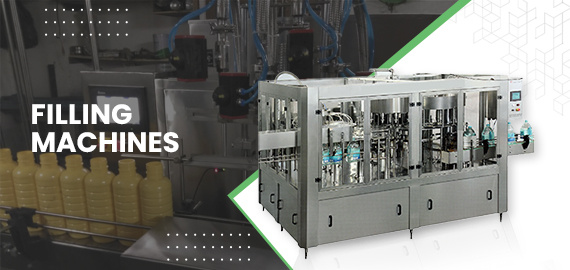
Automatic Bottle Filling and Sealing Machine

What is an Automatic Soda Filling Machine?


The main advantage is that the machine delivers fast, consistent, and hygienic production with minimal manual effort.

An automatic soda filling machine is specialised equipment designed to fill bottles or cans with fizzy drinks efficiently. Unlike manual or semi-automatic methods, these machines manage the process from start to finish, including cleaning bottles, filling with soda, and sealing the caps.

How Does It Work?

Although models vary, most soda filling machines follow the same four-step process:

  1. Bottle Loading – Empty bottles are fed onto the conveyor.
  2. Rinsing and Cleaning – Each container is washed thoroughly to remove dust and impurities.
  3. Filling – Carbonated soda is dispensed using precision nozzles that control flow and pressure.
  4. Capping or Sealing – Bottles are sealed immediately to keep the drink fresh and fizzy.

Since the system is automated, the process requires little supervision, ensuring smooth and reliable production.

Key Features of an Automatic Soda Filling Machine


  • High Output – Machines can fill thousands of bottles every hour.
  • Accurate Filling – Prevents spillage, overfilling, or wastage.
  • Hygienic Design – Stainless steel parts keep drinks safe and clean.
  • Multi-Bottle Support – Works with PET bottles, glass bottles, and cans.
  • Energy Saving – Advanced models consume less electricity.
  • Easy Operation – Touch-screen controls and automated systems simplify use.


Rotey soda filling machine


Why Businesses Choose Automatic Soda Filling Machines

1. Higher Productivity

Automation speeds up production, enabling companies to meet large orders quickly.

2. Consistency and Quality

Every bottle is filled to the same level, giving customers a uniform product.

3. Cost Reduction

With fewer workers needed, businesses can cut labour expenses.

4. Better Hygiene and Safety

Less manual handling means lower chances of contamination.

5. Versatility

Machines can also be used for sparkling water, flavoured sodas, tonic water, and energy drinks.


Types of Soda Filling Machines

  1. Semi-Automatic Machines – Partly automated, affordable for small producers.
  2. Fully Automatic Machines – Handle the whole process; best for medium to large factories.
  3. Rotary Filling Machines – Operate continuously and suit very high production levels.
  4. Linear Filling Machines – Work in straight lines, suitable for medium-scale operations.

Choosing the right model depends on your production requirements and budget.


How to Choose the Right Machine

Before investing, consider these factors:

  • Output Capacity – Check how many bottles per hour the machine can handle.
  • Container Types – Make sure the machine supports the bottle or can sizes you use.
  • Budget Range – Balance cost with features and durability.
  • After-Sales Service – Look for suppliers who offer installation, training, and spare parts.
  • Power Consumption – Energy-efficient models help lower running costs.

Maintenance Tips for Smooth Performance

To keep your soda filling machine in top condition:

  1. Clean Regularly – Prevents sugar and residue build-up.
  2. Lubricate Moving Parts – Reduces wear and tear.
  3. Inspect Frequently – Spot minor issues before they grow into costly repairs.
  4. Re-Calibrate – Ensure filling accuracy is always maintained.
  5. Schedule Professional Servicing – Annual or bi-annual servicing extends lifespan.

A well-maintained machine will serve your business for many years.


Cost of an Automatic Soda Filling Machine

The price of these machines depends on capacity, speed, and level of automation:

  • Small-scale machines – Lower cost, suitable for start-ups.
  • Medium-scale machines – Balanced price and output for regional producers.
  • Large-scale machines – Advanced models with high-speed output; require bigger investment but offer faster returns.

While the initial cost may seem high, the savings in labour, reduced waste, and improved efficiency make the investment worthwhile.


Why Invest Now?

The demand for fizzy drinks is rising worldwide, and consumers expect safe, high-quality products. Investing in an automatic soda filling machine allows businesses to:

  • Meet increasing customer demand.
  • Strengthen their brand reputation with consistent quality.
  • Reduce overall production costs.
  • Follow hygiene and safety regulations.

In today’s competitive market, automation is not just an option – it’s a necessity.


SEO Keywords for Better Ranking

When publishing this article online, include the following keywords naturally:

  • Automatic soda filling machine
  • Carbonated drink filling machine
  • Soft drink bottling machine
  • Beverage filling equipment
  • Soda production line machine

Conclusion

An automatic soda filling machine is more than just a piece of equipment – it is a powerful tool for business growth. It helps you produce soft drinks faster, maintain consistent quality, and cut operating costs. Whether you are a small bottling company or a large-scale manufacturer, adopting automation is the smartest step towards efficiency and long-term success.

By choosing the right machine and maintaining it well, you are investing in the future of your business – one filled with productivity, reliability, and growth.


Automatic Soda Filling Machine: A Practical Guide for Your Business Read More »

Soda Filling Machine Evolution and Efficiency

The Evolution and Efficiency of Soda Filling Machines

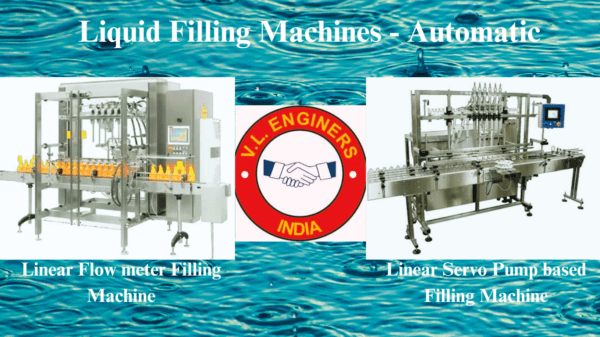
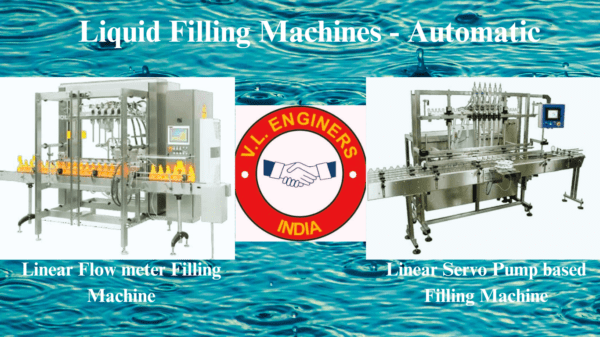
Automatic liquid filling machines displayed

In the bustling world of beverage production, efficiency, precision, and hygiene are paramount. Among the many innovations that have revolutionized the industry, the soda filling machine stands out as a cornerstone of modern beverage manufacturing. These machines have transformed the way carbonated drinks are produced, packaged, and delivered to consumers, ensuring consistency, speed, and quality in every bottle or can.

As a leading soda plant manufacturer, we understand the importance of these machines in the production line. Our expertise as a soda plant manufacturer enables us to optimize performance and ensure quality in beverage production.

Industry Leadership as a Soda Plant Manufacturer

Why Choose a Reliable Soda Plant Manufacturer?

Choosing the Right Soda Plant Manufacturer

What is a Soda Filling Machine?

A soda filling machine is a specialized piece of equipment designed to fill containers—such as bottles, cans, or PET containers—with carbonated beverages. These machines are engineered to handle the unique challenges of carbonated drinks, such as maintaining pressure to prevent the loss of carbonation and ensuring precise fill levels to meet industry standards.

Types of Soda Filling Machines

7455998

There are several types of soda filling machines, each suited to different production needs and scales:

  1. Automatic Soda Filling Machines: These are fully automated systems that handle the entire filling process, from bottle feeding to capping and labeling. They are ideal for large-scale production facilities where speed and efficiency are critical.
  2. Semi-Automatic Soda Filling Machines: These machines require some manual intervention, such as placing bottles on the conveyor or removing filled containers. They are suitable for smaller operations or businesses with limited production volumes.
  3. Rotary Filling Machines: These machines feature a rotating carousel that allows for continuous filling. They are highly efficient and can handle multiple containers simultaneously, making them a popular choice for medium to large-scale producers.
  4. Linear Filling Machines: In these machines, containers move in a straight line through the filling process. They are often used for smaller production runs or when space is limited.

Key Features of Modern Soda Filling Machines

Modern soda filling machines are equipped with advanced features that enhance their performance and reliability:

Benefits of Using a Soda Filling Machine

  1. Consistency and Precision: Soda filling machines ensure that each container is filled to the exact same level, reducing waste and ensuring a consistent product for consumers.
  2. Increased Production Speed: Automation significantly speeds up the filling process, allowing manufacturers to meet high demand without compromising quality.
  3. Cost Efficiency: By reducing manual labor and minimizing product waste, soda filling machines help lower production costs over time.
  4. Improved Hygiene: Automated filling reduces the risk of contamination, ensuring that the final product is safe for consumption.
  5. Versatility: Many soda filling machines can handle a variety of container types and sizes, making them adaptable to different product lines.

Applications of Soda Filling Machines

Soda filling machines are not limited to just carbonated soft drinks. They are also used for a wide range of other beverages, including:

  • Sparkling water
  • Energy drinks
  • Beer and cider
  • Ready-to-drink (RTD) cocktails
  • Flavored carbonated beverages

The Future of Soda Filling Machines

As technology continues to advance, soda filling machines are becoming even more sophisticated. Innovations such as IoT (Internet of Things) integration, artificial intelligence, and machine learning are being incorporated into these machines, enabling real-time monitoring, predictive maintenance, and even greater efficiency.

Sustainability is also a growing focus in the industry. Manufacturers are developing eco-friendly soda filling machines that use less energy, reduce water consumption, and minimize waste, aligning with the global push for more sustainable production practices.

Conclusion

The soda filling machine is a vital component of the beverage industry, enabling manufacturers to produce carbonated drinks with unparalleled efficiency, precision, and hygiene. As technology continues to evolve, these machines will only become more advanced, helping beverage producers meet the ever-growing demands of consumers while maintaining the highest standards of quality and sustainability. Whether you’re a small craft soda producer or a large-scale beverage manufacturer, investing in a reliable soda filling machine is a step toward ensuring the success and growth of your business.


Soda Filling Machine Evolution and Efficiency Read More »

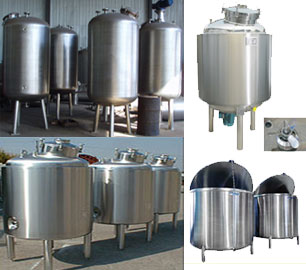
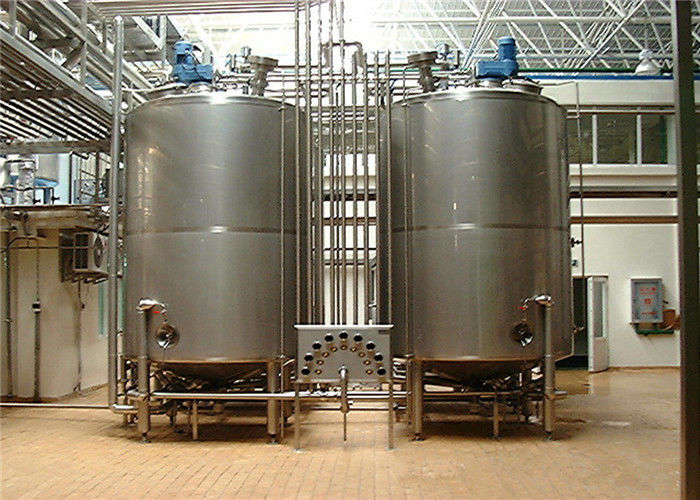
Brewery Tanks

WhatsApp Image 2023-06-14 at 9.20.33 PM (37)
VLEngineers
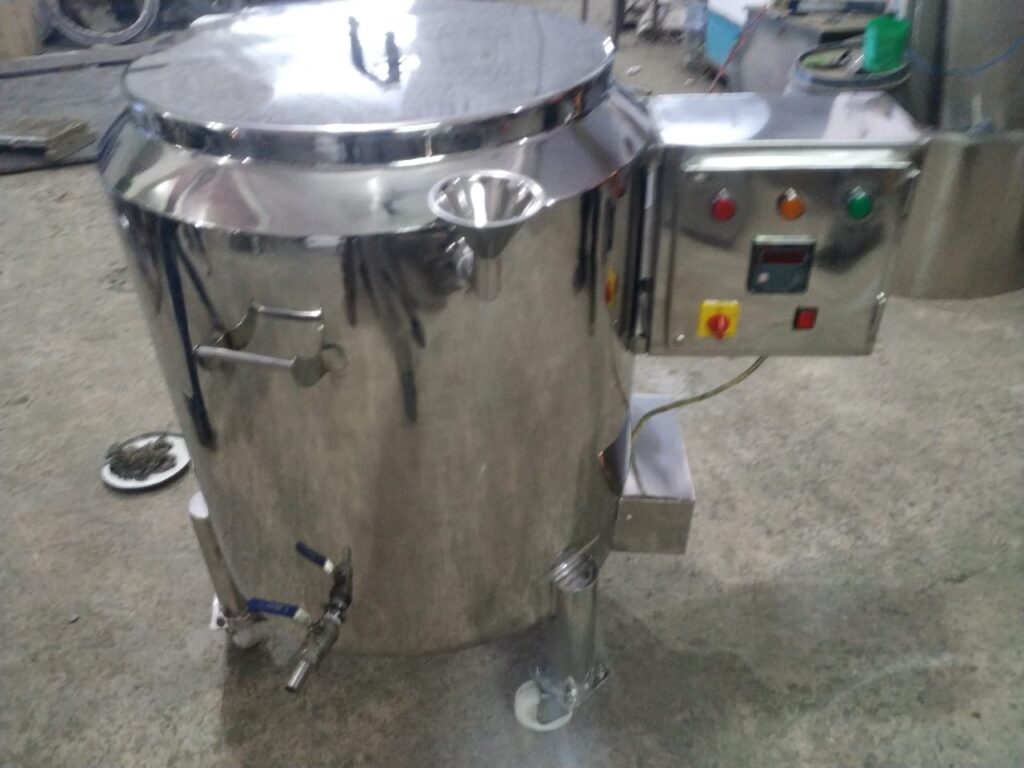
SS Storage Tank5
Tank CapacityMore Than 10 KL
Capacity90 BPM
Usage/ApplicationIndustrial
Packaging TypeAutomatic
Power Consumptioncustomized
Storage MaterialChemicals/Oils/ water
Sizecustomized
Machine TypeSemi Automatic
Frequency50 Hz
Country of OriginMade in India
SS Storage Tank

we undertake complete brewery project on turn key basis of various capacity.

Additional Information:

  • Production Capacity: 10
  • Delivery Time: 60 days plus


Brewery Tanks Read More »

Understanding Multi Mill: A Versatile Size Reduction and Mixing Machine

images 2
3

Multi Mill


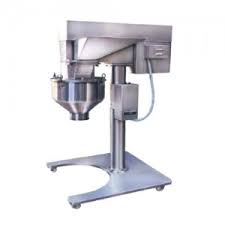
Multi Mill Machine is generally utilized for wet and dry granulation, crushing, drugs, synthetic substances, beauty care products, ceramics, colors, dyestuff, food items and so on. It likewise tracks down application in pesticides, manures, flavors, cleansers, insect sprays, plastic and tars ventures.

Least Request Amount: – 1 Piece

Sort of Machine :-Tablet Making Machine

Use/Application :-    Pharmaceutical

Capacity  :- 100

Design   :-         Customized

Material:-                  S.S

Power Source:-          3

Is It Rust Proof Rust:- Verification

Size:-                            customized

Color:-                          mirror

Motor Speed:-              1400

Screen Diameter :-       10

Screen Span:-               10

Weight:-                       86

Condition:-                  New

Brand:-                        VLE


Activity


It works on the rule of variable power swing blenders having both blade and effect edges pivoting inside a chose screen to get the necessary size decrease. Material took care of in the container goes down to the handling chamber where it moves to the fringe and goes through the screen radially and extraneously. At long last the handled material gets gathered in the holder kept underneath the handling chamber. Result and nature of the eventual outcome relies upon three primary variables :
(1) State of blenders (blade/influence edges)
(2) Speed
(3) Screen


Depiction


Unit comprises of S.S. 304 quality container and handling chamber (can be given is S.S. 316 quality at additional expense) with mixers get together, engine, reversible switch, DOL starter, four speed step pulley, Reasonable screen with painted support point mounted on base plate, with castors.
Remarkable Elements :
Course of mixers can be changed by reversible change from blade to influence forward as well as the other way around. All contact parts can be effectively and immediately destroyed and cleaned. Machine is intended for persistent activity. Barrel shaped screen for higher result. Castors accommodated mobility.Flame verification electricals can be given at additional expense. Blenders and scrapper edges of SS 410 quality are solidified and hard chromed. Multi Plant G m p Model
Model RDMMOutput50 to 200 kgs / hrRotor Speed750/1500/2300/3000 RPM Screen Dia ID 260 mm x HT 135 mmElectricals3 HP/1440 rpm.Optional Strainers On Request
SS Punctured Screen sizes (Openings dia in mm)
(a) 0.5, 1.0, 1.5
(b) 2,3,4,5,6
(c) 7,8,10,15,20,25.


SS Wire Cross section Strainer

(a) 4,6,8,10,12,14,16,20,24,30,40,50,60
(b) 80,100.

Understanding Multi Mill: A Versatile Size Reduction and Mixing Machine Read More »

Enhancing Efficiency and Sustainability: The Role of Packaging in Soft Drink Soda Plants

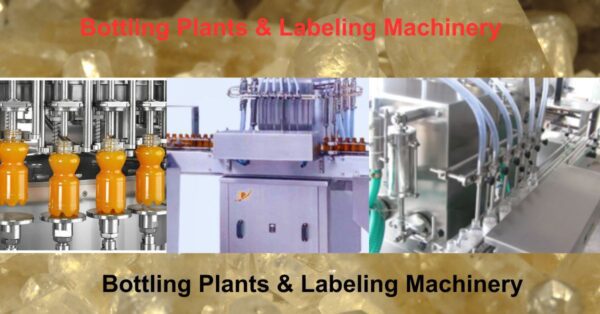
Bottling Plants Labeling
Liquid Filling Machine

In the dynamic world of beverage manufacturing, soft drink soda plants are continuously evolving to meet consumer demands while also addressing environmental concerns. One critical aspect of this evolution is the optimization of packaging processes. From enhancing efficiency to promoting sustainability, packaging plays a pivotal role in the success of soft drink soda plants. In this article, we delve into the various aspects of packaging within these plants, exploring how innovative approaches can drive growth, minimize environmental impact, and meet the ever-changing needs of consumers.

The Importance of Packaging in Soft Drink Soda Plants

Packaging serves as the face of any beverage product, influencing consumer perception and purchasing decisions. In the realm of soft drink soda plants, the significance of packaging goes beyond mere aesthetics. It encompasses crucial functions such as product protection, preservation, and promotion. Efficient packaging solutions not only ensure the integrity of the product but also contribute to brand recognition and differentiation in a competitive market landscape.

Trends and Innovations in Soft Drink Soda Packaging

The soft drink soda industry is witnessing a surge in innovative packaging solutions aimed at enhancing sustainability and consumer convenience. From lightweight materials to eco-friendly alternatives, manufacturers are exploring diverse options to minimize environmental impact while maintaining product quality. Additionally, advancements in packaging technology, such as smart packaging and interactive designs, are revolutionizing the way consumers interact with soda products, offering engaging experiences and driving brand loyalty.

Efficiency Optimization in Packaging Processes

Efficiency is paramount in soft drink soda plants to meet production targets and maintain profitability. Streamlining packaging processes through automation, robotics, and data analytics enables plants to enhance productivity while reducing costs. Furthermore, implementing lean manufacturing principles and optimizing supply chain logistics can minimize waste and improve overall operational efficiency, contributing to the plant’s bottom line and sustainability goals.

Sustainable Packaging Practices

As sustainability becomes a top priority for consumers and regulators alike, soft drink soda plants are increasingly adopting eco-friendly packaging practices. This includes utilizing recycled materials, reducing packaging waste, and investing in renewable energy sources. Additionally, initiatives such as lightweighting and redesigning packaging formats aim to minimize carbon footprint and promote a circular economy. By embracing sustainable packaging practices, soda plants not only reduce environmental impact but also resonate with eco-conscious consumers, strengthening brand reputation and market positioning.

Conclusion

As sustainability becomes a top priority for consumers and regulators alike, soft drink soda plants are increasingly adopting eco-friendly packaging practices. This includes utilizing recycled materials, reducing packaging waste, and investing in renewable energy sources. Additionally, initiatives such as lightweighting and redesigning packaging formats aim to minimize carbon footprint and promote a circular economy. By embracing sustainable packaging practices, soda plants not only reduce environmental impact but also resonate with eco-conscious consumers, strengthening brand reputation and market positioning.

Enhancing Efficiency and Sustainability: The Role of Packaging in Soft Drink Soda Plants Read More »

Gravity Roller Conveyor System

Revolutionizing Material Handling: The Ultimate Guide to Gravity Roller Conveyor Systems

roller conveyor
roller conveyor,

In the fast-paced world of material handling, efficiency, reliability, and versatility are paramount. Among the myriad solutions available, gravity roller conveyor systems stand out as indispensable tools for streamlining operations and optimizing workflow. In this comprehensive guide, we delve into the intricate workings, myriad benefits, and diverse applications of gravity roller conveyor systems, unveiling their transformative potential for businesses across industries.

Understanding Gravity Roller Conveyor Systems:

Gravity roller conveyor systems are ingenious mechanical solutions designed to facilitate the seamless movement of materials, products, and goods along a predetermined path. Unlike powered conveyors that rely on motors for propulsion, gravity roller conveyors harness the force of gravity to propel items forward, making them ideal for applications where a gradual decline in elevation is present.

Key Components and Construction

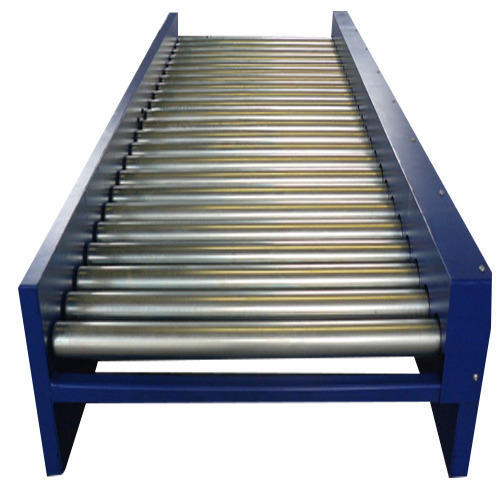
The anatomy of a gravity roller conveyor system comprises several essential components, including rollers, frames, supports, and optional accessories such as brakes and gates. Rollers, typically made of durable materials like steel or plastic, serve as the primary means of conveying items along the conveyor path. Sturdy frames and supports provide structural integrity, ensuring smooth and stable operation even under heavy loads.

Versatility in Application

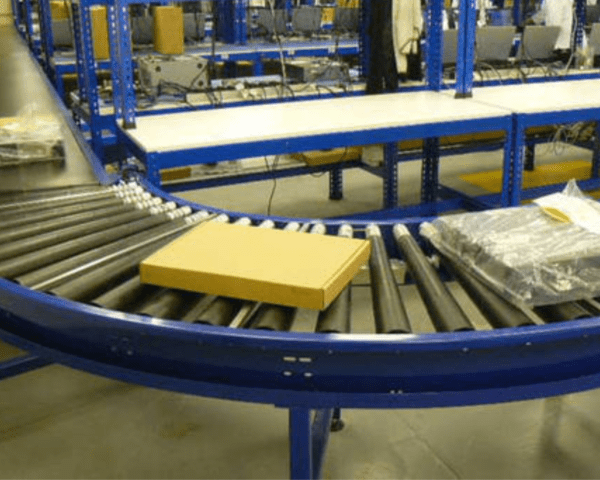
From warehouses and distribution centers to manufacturing facilities and assembly lines, gravity roller conveyor systems find extensive application across a spectrum of industries. Their adaptability to various environments and material types makes them indispensable for conveying packages, cartons, totes, and even irregularly shaped items with ease and efficiency.

Benefits of Gravity Roller Conveyor Systems:

The adoption of gravity roller conveyor systems yields a myriad of benefits, revolutionizing material handling processes and enhancing operational efficiency. Some key advantages include:

  1.  Cost-Effectiveness: Gravity roller conveyors eliminate the need for external power sources, resulting in significant cost savings on energy consumption and maintenance.
  2.  Space Optimization: Their compact design and ability to utilize vertical space efficiently make gravity roller conveyor systems ideal for maximizing floor space in crowded facilities.
  3.  Minimal Maintenance: With fewer moving parts and simplified mechanisms, these conveyor systems require minimal maintenance, reducing downtime and enhancing productivity.
  4.  Flexibility and Scalability: Modular construction allows for easy customization and expansion, enabling businesses to adapt to evolving needs and scale operations seamlessly.
  1.  Safety and Ergonomics: By automating material handling tasks and minimizing manual labor, gravity roller conveyor systems enhance workplace safety and promote ergonomic practices, reducing the risk of injuries and fatigue among employees.
Choosing the Right Gravity Roller Conveyor System:

Selecting the optimal gravity roller conveyor system entails careful consideration of various factors, including load capacity, conveyor length, roller diameter, and inclination angle. Additionally, assessing specific application requirements, such as throughput rates, product dimensions, and operational constraints, is crucial for ensuring compatibility and maximizing performance.

Conclusion:

In an era defined by efficiency, innovation, and operational excellence, gravity roller conveyor systems emerge as indispensable assets for businesses seeking to revolutionize their material handling processes. With their inherent simplicity, reliability, and versatility, these conveyor systems empower organizations to streamline operations, optimize workflow, and unlock new levels of productivity and profitability. Embrace the transformative potential of gravity roller conveyor systems and propel your business towards unparalleled success in the dynamic landscape of modern industry.


V.L. Engineers  is committed to providing cutting-edge solutions and unparalleled expertise in material handling. Contact us today to discover how our gravity roller conveyor systems can optimize your operations and propel your business to new heights of success.

Roller Material Steel, MS
Brand VL
Length customized
Capacity customized
Roller Diameter 50mm to above
Usage/Application industrial
Design self
Width Available 200 to above
Weight customized
Country of Origin Made in India

Additional Information:

  • Production Capacity: 50
  • Delivery Time: 4 week
  • Packaging Details: Expo

V.L.ENGINEERS is committed to providing cutting-edge solutions and unparalleled expertise in material handling. Contact us today to discover how our gravity roller conveyor systems can optimize your operations and propel your business to new heights of success.

We manufacture gravity roller conveyor in SS/MS/Teflon/PP as per requirement roller conveyor we manufacture is n gravity or powerized .

Gravity Roller Conveyor System Read More »

Liquor IMFL Bottling Plant

IMFL Bottling Plant


Usage/Application Industrial
Automation Grade Automatic
Capacity Customized
Brand VL
Power Consumption Customized
Driven Type Mechanical
Power Source 3 phase
Quantity Per Pack one lot
Voltage 415
Motor 3 phase
I Deal In New Only

Technical specification for storage & blending tanks

1. Spirit storage tank 50 kl. 

 2. D M water storage tank 30 kl.

3. Blending tank with top Agitator tank 30 kl.

agitator assembly :

Motor kirlosker / crompton make, 3 h. P. , 1440 rpm, flame proof (flp) , 3 ph ,

gear box Bonfiolioli / shanti / kirloskar/premium/ greaves make

anmol

Top Base plate for above motor / gear box coupled mounting, mounted on base frame bolted , with required ribs and base pads; 40 mm od s. S. Connecting shaft coupled

gear box output on top side and coupling , suitable stuffing box on tank top cone dish , 40 mm o. D. S. S. Main shaft from coupling to tank bottom , duly supported with a suitable teflon bush and s. S teflon housing boiled vide ribs to pads on tank bottom cone dish ; with 2 sets of agitator blade assemblies, each to comprise of 6 nos. S.S turbine type blades of size 75 mm width x 6mm thik. With a sweep dia. Of 350 mm, with the blades fixed at an angle of 45 degrees to the  horizontal axis, including provision of 2 nos. Baffle plates in size 50 mm width x 4mm thik. Duly  supported by 4 mm thik. Suitable sized ribs.

3a.   30 kl spirit storage tank

4. Blending tank with top Agitator tank 10 kl.

anmol

5. Malt spirit storage tank 10 kl.

6. Holding tank for bottling line 5 kl.

anmol

7. Rejection tank for bottling line 200 ltr.

8. Spirit transfer pump form tanker to tank

9. Sparkler filter press

Specification for bottling plant machinery

1.    Slat chain conveyor

The complete unit is of stainless steel conveyor to convey your bottle, length and size as required by you. The conveyor height from ground level is 36” and height adjustment of conveyor is +/- 2”.

anmol

1.   packing belt conveyor

The cost of the supply of the one unit of packing conveyor designed for manual labeling and cartooning as well as this is useful for convey your labeled bottle to carton packer. The conveyor height from ground level is 36” and height adjustment of conveyor is +/- 2”.

1.   Hood type inspection table

inspection panel, for minute checking of each individual bottle for any contamination or foreign particles against a fluorescent light source located in the hood and then place on the centre conveyor to proceed further operation.

Semi automatic R. O.P.P cap sealing machine

anmol

R. O. P. P. Cap sealing machine is designed to seal variety of bottles. It is provided with a rotating spinning head set ensures perfect leak proof and pilfer proof sealing of cap. The sealing spinning head driven by a italian reduction gear box coupled to motor is mounted on rigid body. A rotating head set comprising so sealing arms housing the threading and skirting rollers and pressure block of any one size suitable for stand caps in provided with the machine. semi automatic 6 heads vacummetric bottle filling machine

 this is highly efficient bottle capable of bottle filling 4/6/8 at a time and in deal for filling any free flowing liquid.

Rotary 95 jet bottle washing machine

The Rotary bottle washing machine is designed as per to wash of glass, plastic bottle.

hand operated label gumming machine high speed label batch printing machine

anmol

Additional Information:

  • Production Capacity: 15 pack per annum
  • Delivery Time: 90 days
  • Packaging Details: export worthy

Liquor IMFL Bottling Plant Read More »

Scroll to Top