
SS Slat Chain Conveyor – A Complete Guide
Introduction
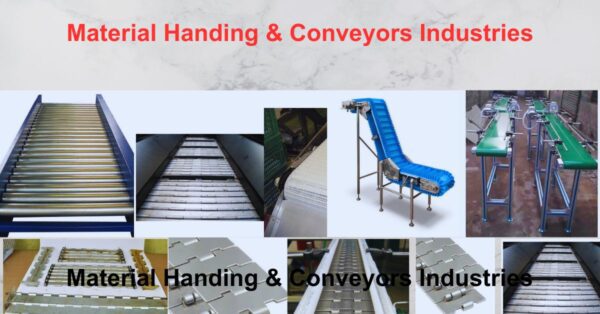
In modern manufacturing, packaging, and material handling industries, the SS slat chain conveyor has become an indispensable piece of equipment. These conveyors combine durability, hygiene, and smooth product movement, making them particularly suitable for industries such as food processing, pharmaceuticals, beverages, and automotive.
SS stands for Stainless Steel, a material known for its corrosion resistance, strength, and easy cleaning properties. The use of stainless steel slats in the conveyor system ensures a long service life and suitability for demanding environments.
What is an SS Slat Chain Conveyor?
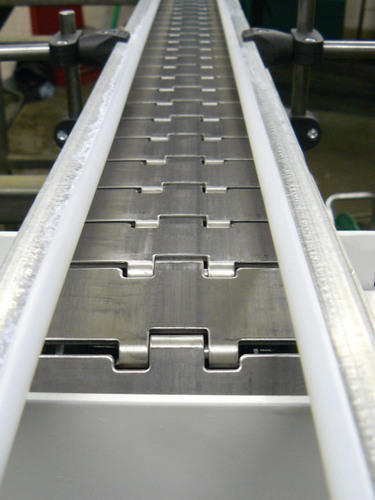
An SS slat chain conveyor is a type of conveying system where stainless steel slats or plates are connected together to form a continuous moving surface. These slats are attached to a chain, which is driven by sprockets, allowing products to be moved along a fixed path.
Key features include:
- Material: High-grade stainless steel (often SS304 or SS316).
- Design: Modular or custom-built to suit the production line.
- Drive Mechanism: Chain-driven with sprockets.
- Movement: Continuous or intermittent, depending on application.
Advantages of SS Slat Chain Conveyors
- Durability – Stainless steel construction offers excellent resistance to wear, corrosion, and chemical damage.
- Hygienic Design – Smooth surfaces make cleaning easy, essential for food and pharmaceutical industries.
- Customisation – Can be designed for straight, curved, or inclined paths.
- Heavy-Duty Capacity – Suitable for carrying heavy and bulky products.
- Low Maintenance – Requires minimal upkeep compared to other conveyor types.
- Temperature Resistance – Can operate in high or low-temperature environments.
Applications of SS Slat Chain Conveyors
1. Food and Beverage Industry
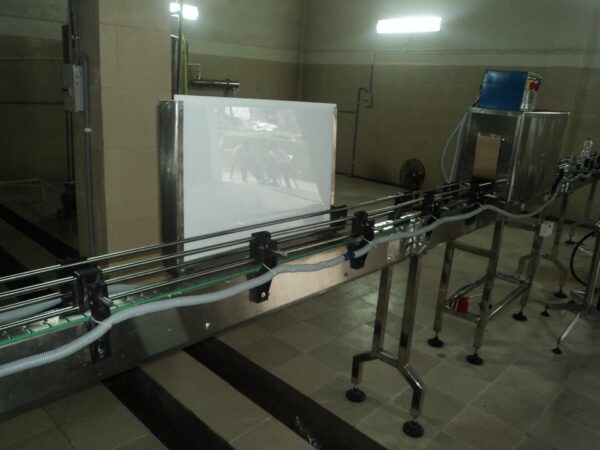
Ideal for transporting bottles, cans, packaged foods, and bakery products. Stainless steel prevents contamination and meets hygiene regulations.
2. Pharmaceutical Manufacturing
Ensures sterile product handling, such as moving blister packs, bottles, or medical devices in cleanroom conditions.
3. Automotive Industry
Used for transporting heavy components such as engine parts, body panels, and gear assemblies.
4. Packaging Industry
Handles boxes, cartons, and containers efficiently, supporting automated packing lines.
5. Chemical Processing
Resists corrosive chemicals and provides safe material handling.
Design Considerations
When selecting or designing an SS slat chain conveyor, the following factors are important:
- Load Capacity – Maximum weight each slat can carry without deformation.
- Slat Width and Pitch – Should match the size and type of product.
- Speed Control – Variable speed drives can optimise production efficiency.
- Layout – Straight, curved, Z-shaped, or spiral designs depending on available space.
- Cleaning System – In-place washing mechanisms for industries with strict hygiene requirements.
- Drive Type – End drive or centre drive options based on space and load distribution.
Maintenance Tips
- Regular Cleaning – Prevents product residue build-up.
- Chain Lubrication – Extends chain life and ensures smooth operation.
- Alignment Checks – Prevents uneven wear and reduces downtime.
- Inspection of Slats – Identify and replace worn or damaged slats promptly.
- Sprocket and Bearing Maintenance – Lubricate and replace as needed to avoid breakdowns.
Why Choose Stainless Steel Over Other Materials?
Compared to mild steel or plastic slat conveyors, stainless steel offers:
- Higher Strength – Handles heavy loads with ease.
- Corrosion Resistance – Withstands exposure to moisture, chemicals, and cleaning agents.
- Longevity – Lower total cost of ownership due to reduced replacement frequency.
- Aesthetic Appeal – Clean and professional appearance suitable for open production areas.

Environmental and Safety Benefits
- Eco-Friendly – Stainless steel is 100% recyclable.
- Food Safety Compliance – Meets international hygiene standards such as FDA and EU regulations.
- Operator Safety – Guarding and anti-slip features reduce accident risk.
Future Trends in SS Slat Chain Conveyor Technology
With advancements in automation and Industry 4.0, SS slat chain conveyors are evolving to include:
- IoT Integration – Real-time monitoring of conveyor performance and predictive maintenance alerts.
- Energy Efficiency – Low-friction chains and variable frequency drives reduce power consumption.
- Advanced Cleaning Systems – Automated sanitisation for faster hygiene cycles.
Conclusion
The SS slat chain conveyor is a reliable, hygienic, and efficient solution for industries that demand consistent product handling and long-lasting equipment. Whether in a high-speed bottling plant, an automotive assembly line, or a pharmaceutical packaging facility, these conveyors provide unmatched durability and operational efficiency.
By choosing a well-designed stainless steel slat chain conveyor and maintaining it properly, businesses can enjoy years of trouble-free service while ensuring product quality and safety.